|
1 resposta 1 pontos |
Why will my booklet connect to wifi but not the internet |
|
1 resposta 0 pontos |
Operating system has been wiped |
Documentos
Introduction
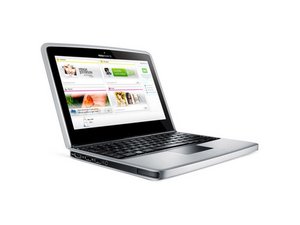
Devido à popularidade da categoria de netbooks na época, a Nokia queria causar impacto com sua nova abordagem ao formato. Esta foi a primeira vez que a Nokia produziu um notebook, por isso a expectativa em torno do dispositivo era grande. Anunciado em 24 de agosto de 2009, a gigante dos celulares se inspirou na Apple em seu design, comercializando o chassi monobloco de alumínio como sendo “estilo MacBook”. Com seu visual exclusivo, o aparelho se destacava das carcaças de plástico da maioria dos outros netbooks da época. A conectividade adicional de estar sempre online com uma conexão 3G, oferecida pela AT&T, tornava-o adequado para membros que precisavam de conectividade web em tempo integral. Para quem não queria a cobertura 3G, o preço saltava de 300 euros subsidiados para 699 euros sem contrato, o que tornava a venda bastante difícil para quem não estava interessado no contrato da AT&T. A autonomia da bateria também era excelente, acomodando uma bateria de 57 Wh em um chassi com menos de 20 mm de espessura, durando cerca de 8 horas ou mais quando testado por diversos veículos.
The downsides
Sua construção de qualidade relativamente alta não conseguia esconder suas falhas. A seleção moderna de portas, com 3 portas USB 2.0 e uma porta HDMI, não agradou a alguns avaliadores, com alguns questionando na época a falta de uma porta VGA. O tamanho também era uma preocupação. Era um dispositivo muito fino e leve para a época, mas seu quadro pequeno não permitia um teclado e Trackpad de tamanho completo, exigindo concessões no conforto em prol da portabilidade. Apesar de a tela ser um impressionante display de 1280x720, uma resolução bastante alta para a época, os ângulos de visão e o brilho limitados tornavam o uso prático apenas em ambientes fechados. No entanto, o calcanhar de Aquiles do dispositivo foi seu desempenho medíocre. Um Intel Atom Z530 de núcleo único alimentava o dispositivo com apenas 1 GB de DDR2 com conexões soldadas. Ele também vinha com um lento HDD de 120 GB de 1,8 polegadas, que não ajudava na velocidade geral do dispositivo. Os aplicativos demoravam a carregar e até o sistema operacional, apesar de limitado ao Windows 7 Starter, tinha dificuldades para abrir alguns sites. Até a reprodução de vídeo e áudio mostrava limitações durante o streaming, embora a reprodução local fosse muito melhor. O suporte gráfico é limitado em algumas distribuições Linux devido aos drivers proprietários. Sem melhorias no hardware, isso acabou sendo a primeira e única incursão da Nokia no mercado de netbooks.
Product Specifications
Performance
Processador: Intel Atom Series
- Z530 (1C / 2T, 1,6 GHz, 512 KB)
Sistema operacional:
- Windows 7 Starter
Gráficos:
- Intel Graphics Media Accelerator (GMA) 500
Memória:
- 1 GB (DDR2, conexões soldadas)
Armazenamento: HDD SATA de 1,8 polegadas
- 120 GB (4200 RPM, SATA II)
Alto-falantes:
- Alto-falantes estéreo, controlador de áudio HD
Microfone:
- Microfone mono
Câmera:
- Frontal:
- 1,3 MP, foco fixo
Bateria:
- Bateria de polímero de lítio de 57 Wh, removível.
Adaptador de energia:
- Adaptador AC com plugue cilíndrico de 30 W (19 V, 1,58 A)
Design
Display:
- LCD TN HD de 10,10 polegadas (1280x720), 150 nits, proporção de 16:9, taxa de contraste de 153:1
Dimensões:
- Netbook: 19,9 x 264 x 185 mm (0,78 x 10,39 x 7,28 polegadas)
Peso:
- Netbook: 1,233 kg (2,72 libras)
- Carregador: 167 g (0,37 libras)
- Netbook + carregador: 1,4 kg (3,09 libras)
Cor da carcaça:
- Preto, Ice (Gelo), Azure Blue (Azul Celeste)
Material da carcaça:
- ABS + Alumínio
*
Connections
WLAN:
- Atheros AR928X b/g/n Wi-Fi® 4 + Bluetooth® 2.1 + EDR, conexões soldadas
WWAN:
- GlobeTrotter MO40x 3G, WCDMA 900/2100, HSPA, conexões soldadas
Portas:
- 3x porta USB-A 2.0
- Porta HDMI 1.2
- Entrada para fone de ouvido
- Conector de alimentação cilíndrico
- Slot para cartão SD + SIM
*
Security
Física:
- nenhuma
Chip de segurança:
- nenhum
*
Bundled Accessories
- Pano de limpeza
- Cabo de dados e carregamento USB
- Fone de ouvido intra-auricular
- Bateria
Additional Information
Reviews
ZDNET Nokia Booklet 3g: A Tale of Two Netbooks
Análise do Nokia Booklet 3G no CNET
Análise do Netbook Nokia Booklet 3G no NotebookCheck.net
Product
Nokia Booklet 3G: Manual de instruções (Alemão)
Nokia Booklet 3G: Manual de instruções (Inglês)

